

Irritable Bowel Syndrome (IBS)

“Irritable bowel syndrome (IBS) is a condition causing abdominal discomfort and is a common reason for seeking medical care. If you suffer from abdominal pain and cramping combined with altered bowel habits (diarrhea, constipation or both), you should make an appointment to come in and see me so that we can determine if you have IBS. These symptoms are also common in other, more serious conditions so it is important to rule out other conditions as well”.
-Dr. Bella Zimilevich, MD
What is irritable bowel syndrome (IBS)?
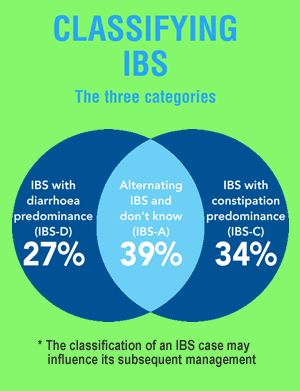
IBS is a collection of symptoms caused by a change in how the bowel functions. It is not a disease; in other words, the structure of the bowel itself does not change. Functional disorders of the gastrointestinal tract cause real symptoms. Just because there is no actual damage to the gastrointestinal tract does NOT mean that your symptoms are not real- the symptoms of IBS are all too real and can be quite distressing for some.
IBS causes alterations in bowel function, along with abdominal bloating and other symptoms. Women are affected more often than men, and the condition is diagnosed in younger people more often than in older people.
Types of IBS
IBS can be classified according to the predominant symptom:
- IBS-C (IBS with constipation)- people with IBS-C experience constipation more often than diarrhea, although both may occur
- IBS-D (IBS with diarrhea)- people with IBS-D experience diarrhea more often than constipation, although both may occur
- Mixed IBS- people with Mixed IBS experience both diarrhea and constipation at least 25% of the time
IBS is usually diagnosed if you experience symptoms of abdominal pain at least 3 times a month that cannot be explained by another condition. Abdominal discomfort may be relieved by a bowel movement and may be associated with a change in your bowel movements.
What are the symptoms of IBS?
The primary symptoms of irritable bowel syndrome are abdominal discomfort and a change in bowel habits. Symptoms must occur more than 3 times a month to meet the criteria for IBS.
Pain is associated with one of the following:
- more frequent/less frequent bowel movements
- stools that are harder than usual or more watery/loose than normal
- relief with a bowel movement (pain goes away after a bowel movement)
You may also experience abdominal bloating (often worse after eating), the sensation of incomplete emptying of the bowel/rectum and mucousy (but never bloody) stools.
What causes IBS?
Researchers are not 100% sure what causes IBS. Stress may play a role- you may find that your symptoms are worse during times of physical or emotional/mental stress. Overgrowth of bacteria in the gut has also been blamed for IBS. Poor motility (the ability of your intestines to move food along the intestines) has been postulated as causing IBS. Food sensitivity and hormones (IBS is often worse during menstruation) are other possible causes.
What can I expect when I come to see you?
When you come to see me and you are worried about IBS, I’ll begin by asking you a lot of questions. I’ll ask about:
- past medical history, including abdominal surgeries
- medications you are taking
- allergies to foods or medications
- family history of gastrointestinal disease
- whether you have had any fever, blood in your stool, weight loss or other symptoms suggestive of colon cancer or an intestinal infection
- whether you have traveled recently
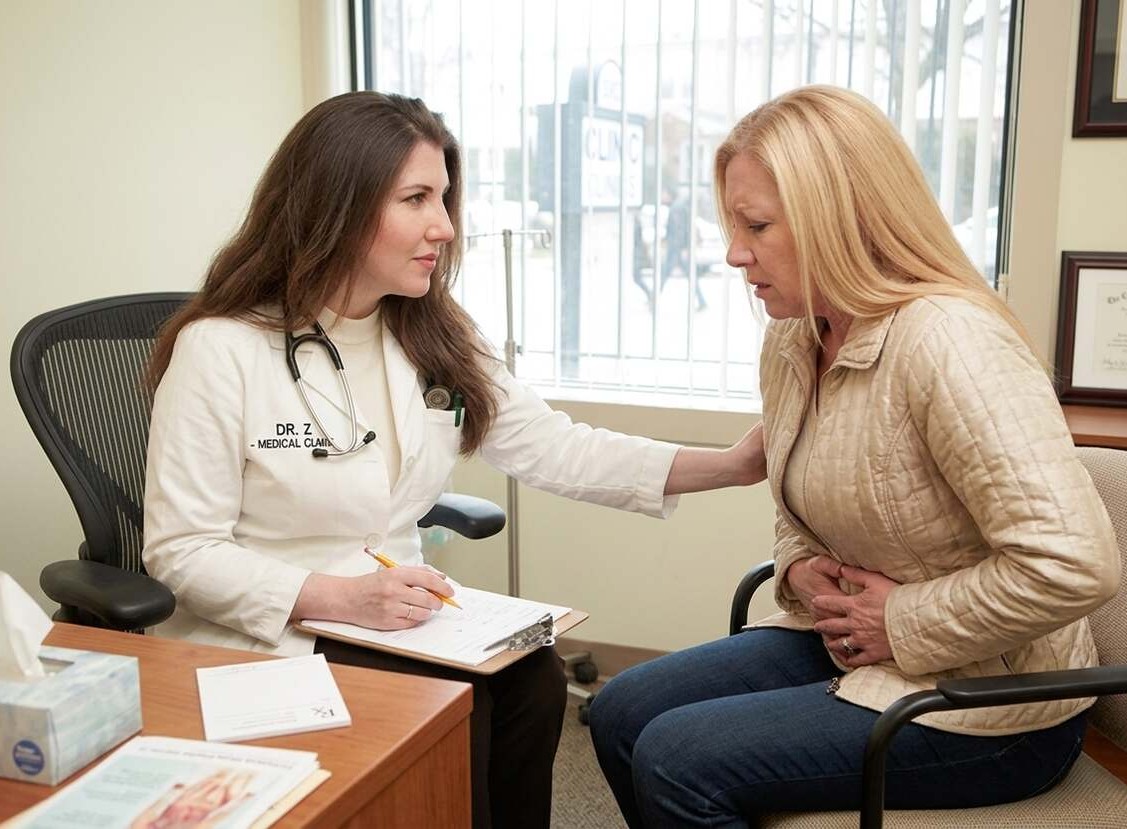
I will need to know how long you have had symptoms, when your symptoms started and how often you experience symptoms. I will also ask about your bowel habits (how often you have a bowel movement). If you are a woman I may also ask about your menstrual pattern and whether symptoms are associated with your period.
Once I have gathered all of this information, I will examine your abdomen to feel for any tender areas or masses. I will listen for bowel sounds. If necessary, I may order diagnostic tests, such as blood work to check for anemia or infection or stool studies to check for bacteria or parasites in your stool. I may order other tests such as an abdominal x-ray or abdominal ultrasound as necessary. Quite often the diagnosis of IBS can be made without the need for a lot of tests, but it is also important to rule out other serious causes of your symptoms such as bowel cancer or inflammatory bowel disease.
Once I have all of the information I need, I will be able to tell you what I think may be causing your symptoms. If I am unable to determine the cause of your symptoms, I will refer you to a specialist (a gastroenterologist). This is rarely necessary.
What is the treatment for IBS?
Treatment for IBS must be individualized. If you have diarrhea, treatment might include medications to bulk up your stool or slow the transit time through your bowel. If you have constipation, increasing fluid intake and dietary changes can be helpful. Using a probiotic can also be helpful, as can avoiding certain foods. If I feel that you have IBS, we’ll have a lot to discuss as we decide on treatment based on your unique symptoms.
If you have symptoms of IBS, it’s important that you come in and see me. The symptoms of IBS are similar to the symptoms of other serious conditions that should be ruled out. IBS causes real and distressing symptoms that can be treated, so make your appointment today.
Make an Appointment
We see patients by appointment only. We are not a walk-in clinic, hospital or urgent care facility.
Flu Shots / Pneumonia Vaccines
Hepatitis Vaccine
Skin Tag Removal
Warts
Toe Fungus Treatment
Eczema
Acne
Psoriasis
Blood Pressure / Hypertension management
Cholesterol management
Irregular Heartbeat
Congestive Heart Failure (CHF)
Atrial Fibrillation
Angina
Pap Smears
Urinary Tract Infection / Bladder Infection
Menstrual Problems
Menopause
Yeast Infections
Enlarged Prostate
Arthritis
Osteoporosis
Alzheimer’s Disease
Coughs
Pneumonia
COPD (Chronic Obstructive Pulmonary Disease)
Heartburn
Hemorrhoids (piles)
Constipation
Diarrhea
Vomiting (Nausea, Upset Stomach)
Irritable Bowel Syndrome (IBS)
Abdominal pain
Inflammatory Bowel Disease (Crohn’s disease, Ulcerative Colitis)
Dizziness
Migraine Headaches
Shingles
Trigeminal Neuralgia
Tennis Elbow
Back Pain
Rheumatoid Arthritis
Sinusitis
Ear infections
Sore Throat (Pharyngitis)
Pink Eye (Conjunctivitis)
Urinary Incontinence
Urinary Tract Infection / Bladder Infection
Work Physicals / Pre-Employment Physicals & Screenings
School Physicals for College
Asthma Control
Diabetes Management
Hypertension
Prediabetes
Tetanus Vaccination
Dog Bites
Heat Exhaustion
Burns
Remove Sutures (Stitches/Staples)
Incision and Drainage
Sprains & Strains
Sonograms
Breathing Test / Spirometry
Electrocardiograms (ECG / EKG)
Urinalysis
Blood tests (cholesterol, blood glucose, complete blood count, thyroid testing and others)
Work Injuries
Auto Accidents
Botox
Dermal Fillers
Dysport
Depression
Insurance We Accept
- 1199SEIU
- Aetna
- Blue Cross Blue Shield
- Cigna
- Emblem
- Fidelis
- GHI
- Health Republic
- HIP
- MagnaCare
- Medicaid
- Medicare
- No-Fault Insurance
- Oscar
- Oxford
- The Empire Plan
- UnitedHealthcare
- VNS Choice
*If you don’t see your insurance here please call (718) 942-4600