

Hepatitis Vaccine (Hepatitis A, Hepatitis B)

“Both hepatitis A and hepatitis B cause inflammation of the liver, which may be acute or chronic. Although hepatitis A and hepatitis B are spread differently, a hepatitis vaccine is available for both types. If you are planning to travel to a foreign country, work in a job in which exposure to hepatitis is possible or just want to protect yourself from a potentially life-threatening infection, make an appointment to come in for your hepatitis vaccine today”.
-Dr. Bella Zimilevich, MD
What is hepatitis?
Hepatitis is the medical term referring to inflammation of the liver. Hepatitis has many causes, including excessive alcohol consumption, certain medications and infections. Although other viruses can cause the liver to become inflamed, only the hepatitis viruses (there are five, A, B, C, D and E) cause hepatitis.
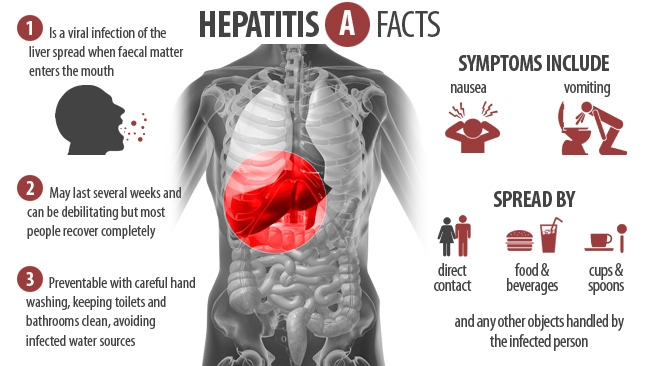
Hepatitis A
Hepatitis A is passed from person to person by what is known as the fecal-oral route. The virus is present in an infected person’s feces (bowel movements). If the infected person fails to observe proper hygiene (washing hands after visiting the bathroom), the virus can be spread through direct contact to another person through touch, the handling of food or touching inanimate objects such as doorknobs or tabletops. The virus can survive for 2 to 3 hours on inanimate objects. People traveling to foreign countries may become exposed to the virus through contaminated food or water.
Hepatitis B
Hepatitis B is spread through contact with infected body fluids and blood. Routes of infection include:
- sexual contact with an infected person
- sharing needles
- body piercing and tattooing when instruments have not been sterilized properly
- childbirth (infection passed from mother to child)
In hepatitis B, individuals may be carriers of the disease but may never experience symptoms. This means that they can pass the infection to sexual partners without having symptoms of hepatitis themselves.
Recovery from hepatitis
Most people recover from hepatitis A without treatment, although symptoms such as fatigue may linger for months. If you get hepatitis, you should not drink alcohol during your recovery, as it is the liver that processes alcohol. Older people generally become more seriously ill with hepatitis A. The disease is occasionally fatal.
Although most people eventually recover from hepatitis B, some will become chronic carriers of the disease (10%). This means that you could pass the disease to others for the rest of your life, even if you never develop symptoms yourself! Hepatitis B can cause serious liver disease-in fact, 80% of liver cancers occur in people who have the chronic form of hepatitis B.
What are the symptoms of hepatitis?
Acute hepatitis causes flu-like symptoms (muscle aches, headache, fatigue, nausea/vomiting, loss of appetite, abdominal pain and low-grade fever) which appear approximately 3 to 10 days before liver symptoms are noticed.
Joint pain and a rash similar to hives may appear in hepatitis B.
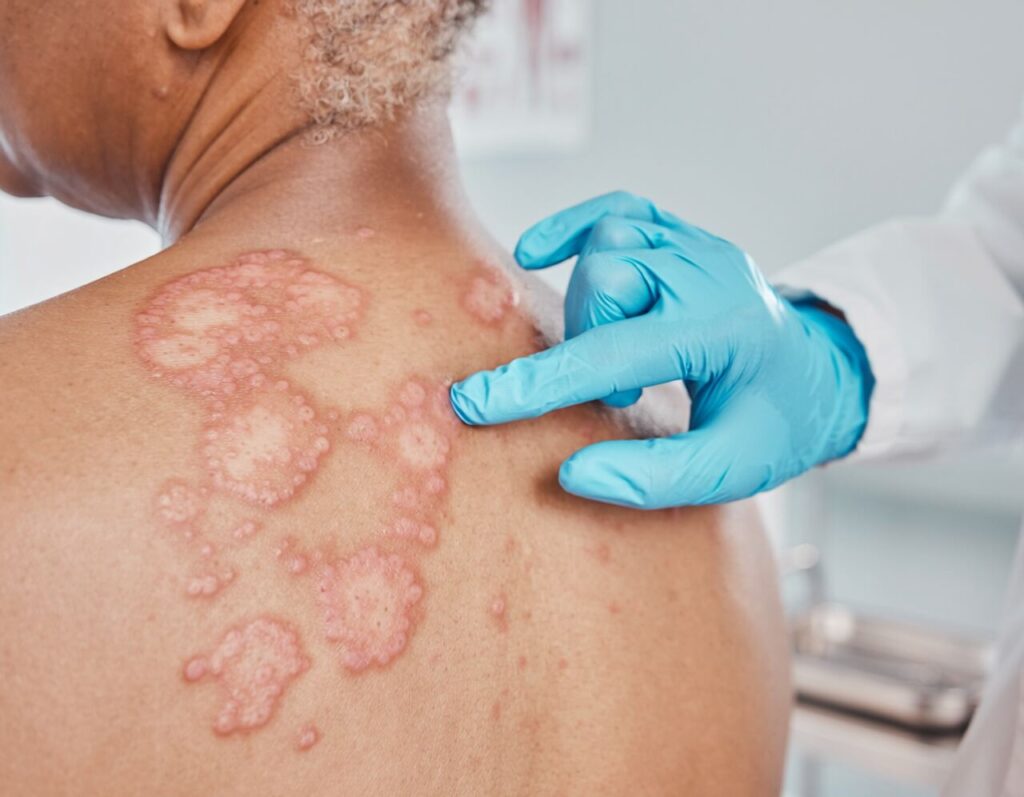
As the liver becomes more involved, there may be darkening of the urine and yellowing of the skin and the whites of the eyes. Stools may be clay-colored and the skin may be itchy.
The best offense is a good defense
If you are a health care worker or work at a job that puts you at risk of coming in contact with individuals who may have hepatitis (i.e., prison or other institutional workers), you should be vaccinated against hepatitis B. Likewise, if you are planning to travel to a foreign country you should be vaccinated against hepatitis A. Even 5-star resorts have experienced hepatitis outbreaks- all it takes is one infected person who fails to wash their hands properly before handling your food and you may bring home a souvenir you never planned on, one that could make you ill for a long time. If your lifestyle puts you at risk of coming into contact with hepatitis B, you should strongly consider being vaccinated. No judgement here- simply make an appointment and come in for your vaccine.
A combination vaccine that is effective against both hepatitis A and B is available. Three shots are necessary, with the second shot administered one month after the first shot and the third shot six months after the first shot. It is very important that you receive all three shots in the series to be fully protected. It is important for you to know that the hepatitis vaccine does not contain any live virus particles – you cannot get hepatitis from the vaccine.
What should I expect when I come in for my shot?
When you come in for your vaccine, I will need to know if you are taking any medications and if you have any allergies. It is helpful to bring your schedule of immunizations if you have one. I will also ask if you are feeling well- if you are not feeling well (i.e., you have a fever or a cold) we may need to postpone your vaccination. You can call the office prior to your visit if you are not feeling well and are unsure whether to keep your appointment.
The shot itself takes only minutes. You may notice that your arm is a little sore for a couple of days after you receive your shot. The injection site may be slightly reddened. A few people (1 to 10%) experience stomach upset, fatigue and headache for a few days after the shot. These symptoms are generally mild and short-lived.
Hepatitis A and B are serious infections that can have long-term consequences. Both can be prevented through vaccination. If your lifestyle puts you at risk, you work with individuals who may be infected or you are planning to travel outside the country, you should strongly consider vaccination against the disease. Call now to make your appointment.
Make an Appointment
We see patients by appointment only. We are not a walk-in clinic, hospital or urgent care facility.
Flu Shots / Pneumonia Vaccines
Hepatitis Vaccine
Skin Tag Removal
Warts
Toe Fungus Treatment
Eczema
Acne
Psoriasis
Blood Pressure / Hypertension management
Cholesterol management
Irregular Heartbeat
Congestive Heart Failure (CHF)
Atrial Fibrillation
Angina
Pap Smears
Urinary Tract Infection / Bladder Infection
Menstrual Problems
Menopause
Yeast Infections
Enlarged Prostate
Arthritis
Osteoporosis
Alzheimer’s Disease
Coughs
Pneumonia
COPD (Chronic Obstructive Pulmonary Disease)
Heartburn
Hemorrhoids (piles)
Constipation
Diarrhea
Vomiting (Nausea, Upset Stomach)
Irritable Bowel Syndrome (IBS)
Abdominal pain
Inflammatory Bowel Disease (Crohn’s disease, Ulcerative Colitis)
Dizziness
Migraine Headaches
Shingles
Trigeminal Neuralgia
Tennis Elbow
Back Pain
Rheumatoid Arthritis
Sinusitis
Ear infections
Sore Throat (Pharyngitis)
Pink Eye (Conjunctivitis)
Urinary Incontinence
Urinary Tract Infection / Bladder Infection
Work Physicals / Pre-Employment Physicals & Screenings
School Physicals for College
Asthma Control
Diabetes Management
Hypertension
Prediabetes
Tetanus Vaccination
Dog Bites
Heat Exhaustion
Burns
Remove Sutures (Stitches/Staples)
Incision and Drainage
Sprains & Strains
Sonograms
Breathing Test / Spirometry
Electrocardiograms (ECG / EKG)
Urinalysis
Blood tests (cholesterol, blood glucose, complete blood count, thyroid testing and others)
Work Injuries
Auto Accidents
Botox
Dermal Fillers
Dysport
Depression
Insurance We Accept
- 1199SEIU
- Aetna
- Blue Cross Blue Shield
- Cigna
- Emblem
- Fidelis
- GHI
- Health Republic
- HIP
- MagnaCare
- Medicaid
- Medicare
- No-Fault Insurance
- Oscar
- Oxford
- The Empire Plan
- UnitedHealthcare
- VNS Choice
*If you don’t see your insurance here please call (718) 942-4600