

High Blood Pressure (Hypertension) Treatment

“Often called the “silent killer” because it causes no or few attention-getting symptoms, untreated high blood pressure causes damage to your arteries that can’t be undone. If you have hypertension, we’ll work closely together to control your blood pressure to avoid serious complications”.
-Dr. Bella Zimilevich, MD
What exactly is blood pressure?
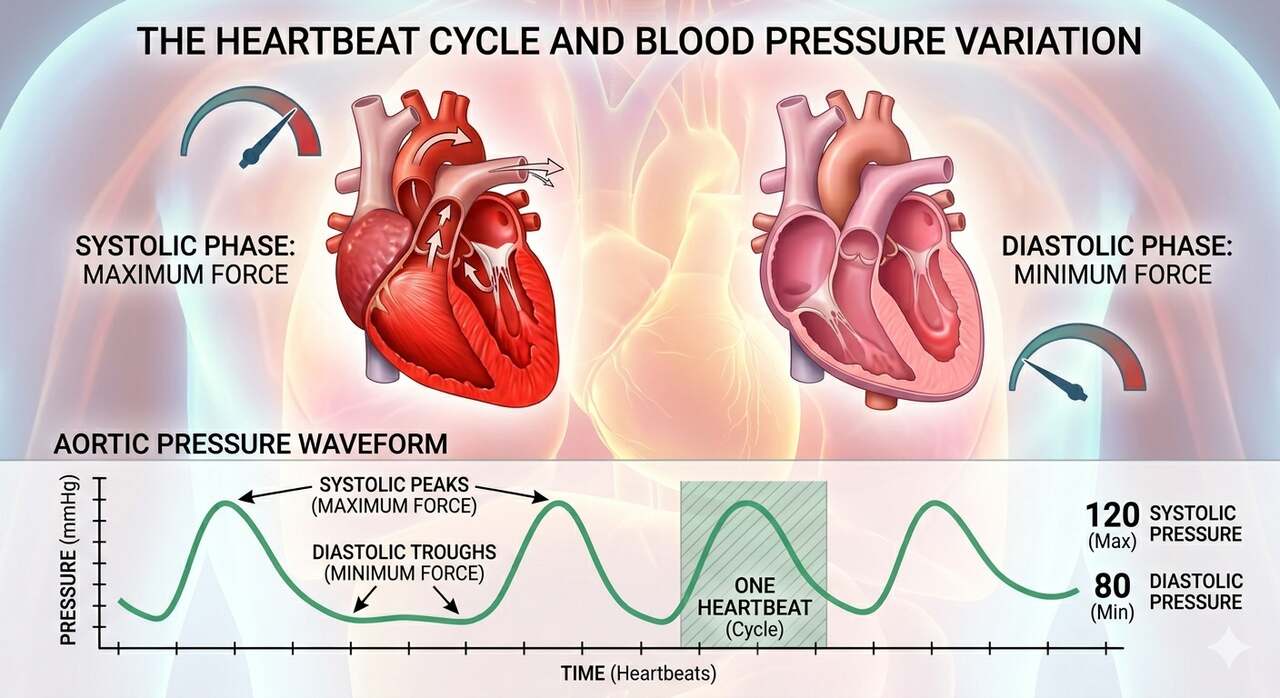
In simplest terms, blood pressure is the force of circulating blood against the walls of arteries. (Arteries are the vessels that carry blood away from your heart to supply the rest of your body with oxygenated blood.) During each heartbeat, blood pressure varies between a maximum (systolic) and a minimum (diastolic) amount of force.
What is hypertension?
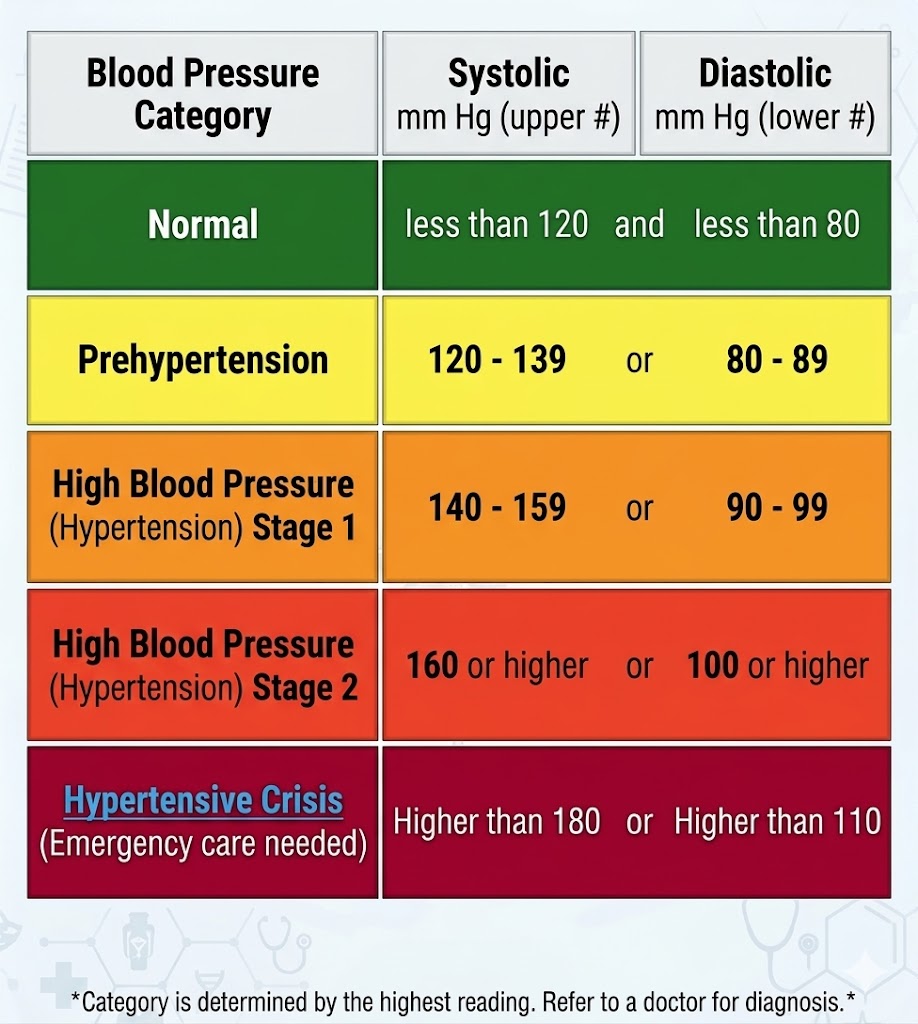
Hypertension is a term used to describe high blood pressure. As indicated in this chart, “normal” blood pressure is defined as systolic and diastolic pressure less that 120 and 80, respectively. Pre-hypertension is the range of blood pressure above normal, but still not high enough to be considered Hypertension Stage 1:
High blood pressure is extremely common.
The CDC (Centers for Disease Control and Prevention) estimates that approximately 68 million adults in the U.S have high blood pressure. And according to the American Heart Association, more than 20% of people who have hypertension don’t even know it.
What causes hypertension?
Potential reasons for high blood pressure include renal disease, endocrine disease, pregnancy, and even some medications. However, in approximately 95% of cases, the causes of hypertension are not known. When the reasons for increased blood pressure are not identifiable, we call it “essential” or “idiopathic” hypertension.
Why should I care about my blood pressure?
Uncontrolled high blood pressure is one of the most dangerous – and common—health problems. It is sometimes called “the silent killer” because there are generally no specific symptoms to suggest the serious damage being done to arteries, heart and other organs. Except in the most extreme case known as hypertensive crisis (when systolic pressure rises to 180 or diastolic exceeds 110), the signs of high blood pressure are not always obvious. However, there are many serious consequences that can occur over time when high blood pressure is left untreated. Most people know that damage to the heart and coronary arteries (the vessels supplying blood to the heart) can eventually cause heart attack or stroke. But
many are unaware that untreated high blood pressure also increases the risk of kidney damage, and can even cause vision problems, memory loss, and erectile dysfunction (ED)!
Really? Memory loss and erectile dysfunction?
Of course every part of the body is dependent on blood supply to function properly. But after the heart, the parts of the body most vulnerable to damage from hypertension are those with the tiniest vessels. This includes brain, eyes, and, yes, all other “peripheral” organs.
How can I control my blood pressure?

According to the American Heart Association, there are eight ways to control blood pressure, often referred to as “lifestyle modifications”:
- Eat a better diet (including more fruits and vegetables and less salt)
- Maintain a healthy weight
- Exercise regularly
- Manage stress
- Avoid tobacco smoke
- Take your medications
- Limit alcohol
- Understand hot tub safety
Unfortunately, most of these suggestions are “easier said than done.” But following them and adopting a healthy lifestyle will actually improve your quality of life – now and in the longer term, even if your blood pressure is already in the normal range.
The first step is to make an appointment to come see us.
An important first step in controlling blood pressure is to get it checked, and we can do that quickly in my office.
Generally I like to measure a new patient’s blood pressure on three separate occasions before making any conclusions. This is because many factors can cause transient variations in blood pressure. Recent physical exertion, caffeine intake, and even emotional state, can cause changes in blood pressure. In fact, some people are susceptible to something called “white coat syndrome.” In this syndrome, just seeing a doctor can contribute to a small, but temporary, rise in blood pressure.
What happens after we check my blood pressure?
It will be great news if we measure your blood pressure and find that it is normal! As shown on the preceding chart, blood pressure is considered normal when systolic is less than 120 and diastolic is less than 80. We can discuss the lifestyle modifications recommended by the American Heart Association that will enable you to maintain your healthy blood pressure.
If we measure your resting blood pressure and find that it is in the pre-hypertension range (systolic between 120 and 139 mm Hg or diastolic between 80 and 89 mm Hg), I will recommend lifestyle modifications, and we’ll arrange to check your pressure again at a follow-up appointment to see if there has been improvement. Hopefully it will be lower the next time we measure it. If not, I will recommend continuing the lifestyle modifications and making an appointment to check your blood pressure a third time before considering medications. I try to avoid starting my patients on medications unless I am convinced it is truly the only way to enable them to achieve blood pressure in the normal range.
If your blood pressure is 140/90 or higher, we can discuss lifestyle modifications as well as the possibility of starting medications. Although I hope medications will not be necessary, my primary goal is to help you to maintain a healthy blood pressure that minimizes your risks for other health problems.
Make an Appointment
We see patients by appointment only. We are not a walk-in clinic, hospital or urgent care facility.
Flu Shots / Pneumonia Vaccines
Hepatitis Vaccine
Skin Tag Removal
Warts
Toe Fungus Treatment
Eczema
Acne
Psoriasis
Blood Pressure / Hypertension management
Cholesterol management
Irregular Heartbeat
Congestive Heart Failure (CHF)
Atrial Fibrillation
Angina
Pap Smears
Urinary Tract Infection / Bladder Infection
Menstrual Problems
Menopause
Yeast Infections
Enlarged Prostate
Arthritis
Osteoporosis
Alzheimer’s Disease
Coughs
Pneumonia
COPD (Chronic Obstructive Pulmonary Disease)
Heartburn
Hemorrhoids (piles)
Constipation
Diarrhea
Vomiting (Nausea, Upset Stomach)
Irritable Bowel Syndrome (IBS)
Abdominal pain
Inflammatory Bowel Disease (Crohn’s disease, Ulcerative Colitis)
Dizziness
Migraine Headaches
Shingles
Trigeminal Neuralgia
Tennis Elbow
Back Pain
Rheumatoid Arthritis
Sinusitis
Ear infections
Sore Throat (Pharyngitis)
Pink Eye (Conjunctivitis)
Urinary Incontinence
Urinary Tract Infection / Bladder Infection
Work Physicals / Pre-Employment Physicals & Screenings
School Physicals for College
Asthma Control
Diabetes Management
Hypertension
Prediabetes
Tetanus Vaccination
Dog Bites
Heat Exhaustion
Burns
Remove Sutures (Stitches/Staples)
Incision and Drainage
Sprains & Strains
Sonograms
Breathing Test / Spirometry
Electrocardiograms (ECG / EKG)
Urinalysis
Blood tests (cholesterol, blood glucose, complete blood count, thyroid testing and others)
Work Injuries
Auto Accidents
Botox
Dermal Fillers
Dysport
Depression
Insurance We Accept
- 1199SEIU
- Aetna
- Blue Cross Blue Shield
- Cigna
- Emblem
- Fidelis
- GHI
- Health Republic
- HIP
- MagnaCare
- Medicaid
- Medicare
- No-Fault Insurance
- Oscar
- Oxford
- The Empire Plan
- UnitedHealthcare
- VNS Choice
*If you don’t see your insurance here please call (718) 942-4600