

What My Patients Should Know About Hemorrhoids (Piles)

“Hemorrhoids are a common problem affecting millions of people. Although they can cause pain, discomfort and bleeding, many people are reluctant to seek medical care due to embarrassment. If you suffer from hemorrhoids, you should know that various treatments are available. If you have rectal pain or bleeding, you should come in to be seen to be certain that your symptoms are actually due to hemorrhoids and not another more serious problem”.
-Dr. Bella Zimilevich, MD
What are hemorrhoids (piles)?
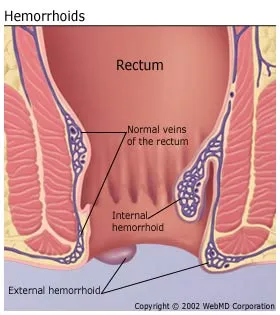
Just as you can get varicose veins from standing on your feet for too long, you can get hemorrhoids from activities that place undue pressure on the veins in the rectum. When veins swell within the rectum, they are called internal hemorrhoids. When the veins around the anal opening swell, they are known as external hemorrhoids. It is possible to have both types of hemorrhoids at the same time.
What causes hemorrhoids?
Piles are most common between the ages of 20 and 50- it is estimated that approximately 40% of people suffer from piles at some point in their life, so if you have them you can consider yourself to be in good company!
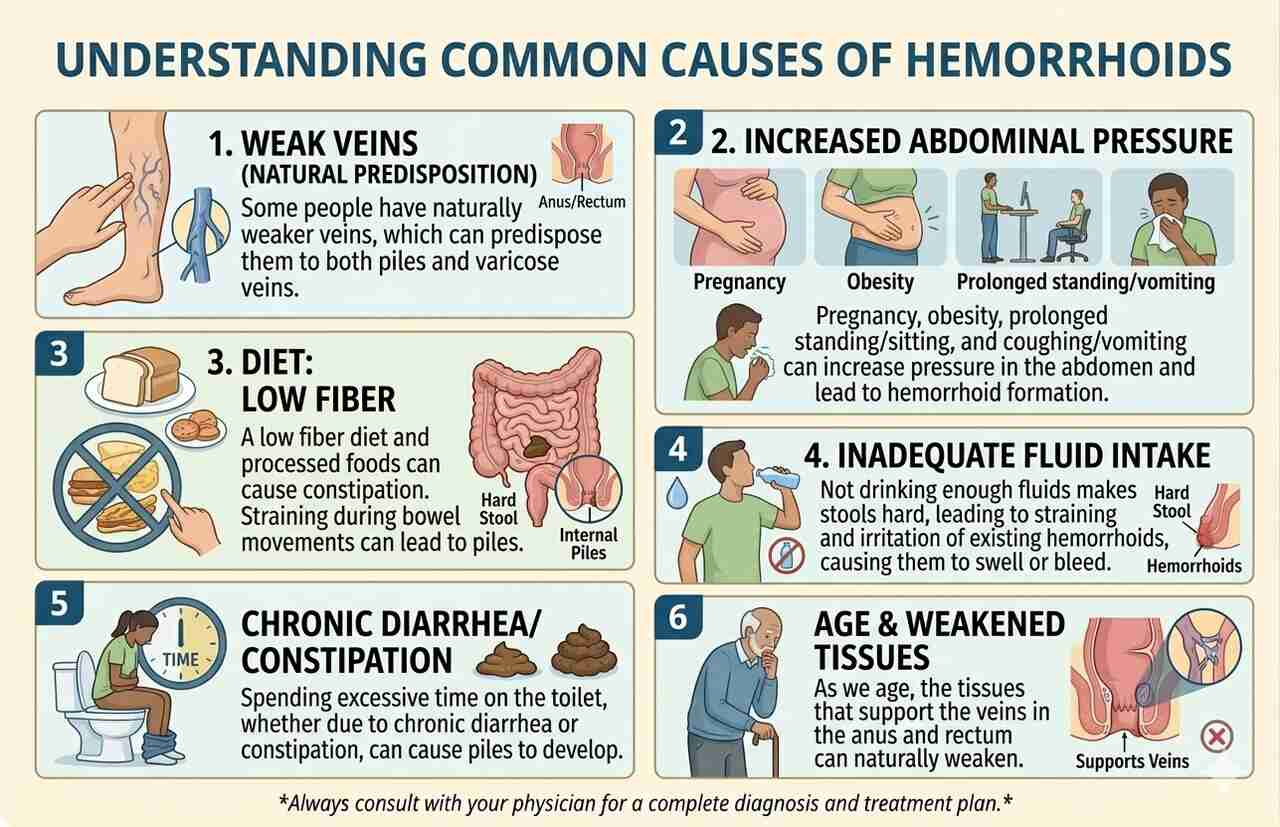
Hemorrhoids can develop for several reasons, often related to increased pressure on the veins in the rectal area. Some individuals naturally have weaker veins, making them more prone to both hemorrhoids and varicose veins. Increased abdominal pressure from factors such as pregnancy, obesity, prolonged standing or sitting, frequent coughing or vomiting, and straining during bowel movements can also contribute to their formation.
Diet plays a role as well, since low fiber intake and consumption of processed foods can lead to constipation, increasing strain during bowel movements. Inadequate fluid intake may further harden stools, worsening strain and irritation. Additionally, chronic diarrhea or constipation, which often results in extended time on the toilet, can increase risk. Aging is another factor, as the tissues supporting the veins in the rectum and anus naturally weaken over time.
Are there different types of hemorrhoids?
As mentioned, piles may be found internally or externally.
- internal hemorrhoids- these hemorrhoids are located inside the rectum and can’t be seen or felt. They are usually not painful because there aren’t a lot of nerves capable of transmitting pain in the rectum. Bleeding may be your only clue that you have internal hemorrhoids. Sometimes internal hemorrhoids become large enough that they protrude from the anus- these are known as prolapsed hemorrhoids. These can often be gently pushed back inside if they don’t recede on their own. When internal hemorrhoids prolapse they may be painful.
- external hemorrhoids– these hemorrhoids lie just inside the anus and may be felt when you have a bowel movement. Because the anus is innervated with nerves, these hemorrhoids can be painful, particularly if they become thrombosed. A thrombosed hemorrhoid is an external hemorrhoid with a blood clot inside it. If you have a thrombosed hemorrhoid, you will likely be aware of it as these can be very painful. The pain may cause you to seek medical attention.
What are the symptoms of hemorrhoids?
If you have hemorrhoids, you may experience:
- bleeding with bowel movements (this bleeding is painless- there may be bright red blood in the toilet bowel or on the toilet tissue)
- discomfort/pain in the rectal area
- swollen areas around the anus
- a painful lump located near the anus
- itching of the anal area
- leakage of small amounts of stool
It can be difficult to judge the amount of blood loss when blood is present in the toilet water. If you experience a change in bowel habits, pass tarry black or maroon stools or the blood is mixed within the stool, you should make an appointment to be seen immediately. Bleeding is most often caused by hemorrhoids, but it can also be caused by colon or rectal cancer or other gastrointestinal diseases. If you feel weak or dizzy and are bleeding from the rectum, you should seek care at the nearest emergency room.
What can I expect when I come in for my appointment?
If you know or suspect that you have hemorrhoids, especially if you are experiencing rectal bleeding, you should make an appointment to come in to see me. I will ask you what symptoms you have noticed, how long you have had the symptoms and what makes your symptoms better or worse. I may ask about your bowel habits (how often your bowels move), whether you have noticed a change in your bowel habits, what you typically eat and how much water or other fluids you normally drink. I will also ask if anyone in your family has ever had bowel or anal cancer. I may decide to examine you. If you have been experiencing a lot of bleeding or have been bleeding for a long time, I may decide to order blood work to ensure that you are not anemic (low in iron/red blood cells) from blood loss.
What is the treatment for hemorrhoids?
Treatment is dependent on whether your hemorrhoids are internal or external and how severe they are. Medicated ointments, creams and suppositories may be helpful to relieve discomfort, swelling and itching. You can also try warm baths for comfort. A high fiber diet and an increase in fluid intake may help to prevent constipation. If your hemorrhoids are severe, I may decide to refer you to a specialist. Surgery is sometimes necessary, but there are also minimally invasive procedures that can be performed to treat hemorrhoids.
If you are experiencing rectal bleeding, it is important to ensure that your bleeding is indeed due to hemorrhoids and not another more sinister condition. It is dangerous to assume that bleeding is due to hemorrhoids without ruling out a more serious problem. If you have hemorrhoids that are causing you discomfort or are experiencing rectal bleeding, make an appointment today.
Make an Appointment
We see patients by appointment only. We are not a walk-in clinic, hospital or urgent care facility.
Flu Shots / Pneumonia Vaccines
Hepatitis Vaccine
Skin Tag Removal
Warts
Toe Fungus Treatment
Eczema
Acne
Psoriasis
Blood Pressure / Hypertension management
Cholesterol management
Irregular Heartbeat
Congestive Heart Failure (CHF)
Atrial Fibrillation
Angina
Pap Smears
Urinary Tract Infection / Bladder Infection
Menstrual Problems
Menopause
Yeast Infections
Enlarged Prostate
Arthritis
Osteoporosis
Alzheimer’s Disease
Coughs
Pneumonia
COPD (Chronic Obstructive Pulmonary Disease)
Heartburn
Hemorrhoids (piles)
Constipation
Diarrhea
Vomiting (Nausea, Upset Stomach)
Irritable Bowel Syndrome (IBS)
Abdominal pain
Inflammatory Bowel Disease (Crohn’s disease, Ulcerative Colitis)
Dizziness
Migraine Headaches
Shingles
Trigeminal Neuralgia
Tennis Elbow
Back Pain
Rheumatoid Arthritis
Sinusitis
Ear infections
Sore Throat (Pharyngitis)
Pink Eye (Conjunctivitis)
Urinary Incontinence
Urinary Tract Infection / Bladder Infection
Work Physicals / Pre-Employment Physicals & Screenings
School Physicals for College
Asthma Control
Diabetes Management
Hypertension
Prediabetes
Tetanus Vaccination
Dog Bites
Heat Exhaustion
Burns
Remove Sutures (Stitches/Staples)
Incision and Drainage
Sprains & Strains
Sonograms
Breathing Test / Spirometry
Electrocardiograms (ECG / EKG)
Urinalysis
Blood tests (cholesterol, blood glucose, complete blood count, thyroid testing and others)
Work Injuries
Auto Accidents
Botox
Dermal Fillers
Dysport
Depression
Insurance We Accept
- 1199SEIU
- Aetna
- Blue Cross Blue Shield
- Cigna
- Emblem
- Fidelis
- GHI
- Health Republic
- HIP
- MagnaCare
- Medicaid
- Medicare
- No-Fault Insurance
- Oscar
- Oxford
- The Empire Plan
- UnitedHealthcare
- VNS Choice
*If you don’t see your insurance here please call (718) 942-4600