

Considering An Appointment For Respiratory Care?

“Respiratory care is a frequent need- after all, millions of people are stricken by respiratory illnesses such as colds and flu every year. Luckily, many of these illnesses are self-limited. Still others suffer from chronic lung conditions such as asthma, emphysema, and other chronic lung conditions. Whether your symptoms are short-lived or require long-term care, I can help. Just make an appointment and come in to see me. Together we can plan how best to treat you”.
-Dr. Bella Zimilevich, MD
What is the respiratory system?
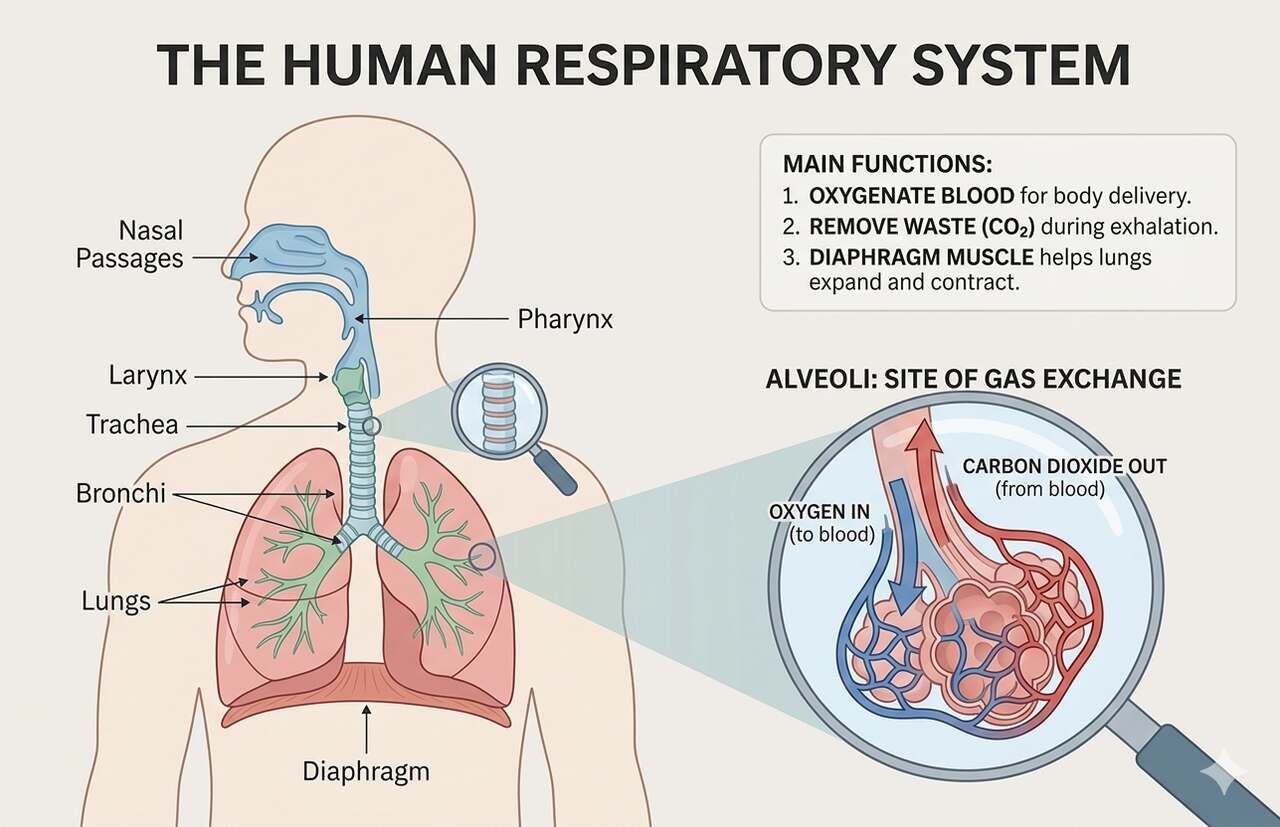
The respiratory system consists of the nasal passages, the larynx (the voice box), the pharynx (the back of the throat below the nasal cavity), the trachea (the windpipe), the bronchi and the lungs.
The main job of the respiratory system is to oxygenate our blood, so that blood rich in oxygen can be delivered throughout the body.
The respiratory system is also responsible for helping the body to get rid of waste products (CO2), which we breathe out. The diaphragm is a muscle that lies just below our lungs and helps the lungs expand and contract as we inhale and exhale. The actual exchange of oxygen and carbon dioxide takes place in the alveoli, tiny sacs that are located in the lungs.
What are common symptoms associated with respiratory conditions?
Conditions affecting the respiratory system may be obvious, or may be confused for a problem in another body system. The most common symptoms associated with respiratory disease are:
- cough- a common symptom of respiratory illness; may be acute or chronic, depending on the illness
- chest pain– many respiratory illnesses can cause chest pain or discomfort. Chest pain may result from coughing a lot (muscle or rib pain) or from irritation of the pleura, the membranes that cover the lung.
- fever– fever may be caused by inflammation or infection anywhere in the respiratory tract; ir may also occur with mailgnancy (cancer)
- fatigue– fatigue may be due to not having enough oxygen circulating in the blood stream
- hemoptysis– coughing up blood may occur in tuberculosis and in malignancy (lung cancer), but it occasionally occurs from coughing too much, especially in patients taking blood thinners
- wheezing– individuals with asthma may wheeze, this is due to inflammation and swelling in the airways that restrict air movement
- shortness of breath– individuals may feel short of breath if their oxygen levels are low
- malaise– malaise is feeling generally unwell
- sputum production– pneumonia and other infections of the respiratory tract may cause increased sputum production; asthma may also cause this
- headache– headache may be induced by coughing, or it may be related to infection or inflammation
- hoarseness– excessive coughing or infection of the pharynx (pharyngitis) may cause your voice to become hoarse
What respiratory conditions can you treat?
I am an internal medicine physician. I am also a geriatrician. I treat a variety of adult respiratory illnesses, including:
- asthma
- emphysema
- COPD (chronic obstructive pulmonary disease)
- pneumonia
- colds
- influenza
- bronchitis
What can I expect when I come in to see you?
When you come in to see me in the clinic requiring respiratory care, I will need to gather the following information from you:
- past medical history
- allergies (environmental, food and medications)
- family history
I will ask you about when your symptoms started and if they are associated with other signs/symptoms of infection, such as throat pain, rhinitis (runny nose) or fever. I will ask how long you have had your symptoms and what you’ve tried at home to relieve them- what worked and what didn’t help.
Once I have gathered some history, it’s time for me to examine you. I may look in your nose, ears and throat for signs of infection. I will use a stethoscope to listen carefully to your heart and lungs.

I may also examine your abdomen for any signs of tenderness. I may also look for any swelling in your legs, as this is sometimes a sign of cardiac disease, symptoms of which can often mimic respiratory disease.
After I have gathered your history and examined you, I will decide if any diagnostic testing is required. This may include a chest x-ray, a sputum sample or blood tests. I may decide to treat you before lab or x-ray results have come back, or I may ask you to return for another visit- this all depends on my findings and what I suspect is causing your symptoms.
If you are experiencing respiratory symptoms (unless you are certain you are suffering from the common cold, which should improve in 7 to 10 days) make an appointment to come in and see me. While some respiratory symptoms are undoubtedly due to a virus or a bacterial infection that may get better on their own without treatment, other symptoms may be due to a more serious respiratory illness requiring care. Call for your appointment today.
Make an Appointment
We see patients by appointment only. We are not a walk-in clinic, hospital or urgent care facility.
Flu Shots / Pneumonia Vaccines
Hepatitis Vaccine
Skin Tag Removal
Warts
Toe Fungus Treatment
Eczema
Acne
Psoriasis
Blood Pressure / Hypertension management
Cholesterol management
Irregular Heartbeat
Congestive Heart Failure (CHF)
Atrial Fibrillation
Angina
Pap Smears
Urinary Tract Infection / Bladder Infection
Menstrual Problems
Menopause
Yeast Infections
Enlarged Prostate
Arthritis
Osteoporosis
Alzheimer’s Disease
Coughs
Pneumonia
COPD (Chronic Obstructive Pulmonary Disease)
Heartburn
Hemorrhoids (piles)
Constipation
Diarrhea
Vomiting (Nausea, Upset Stomach)
Irritable Bowel Syndrome (IBS)
Abdominal pain
Inflammatory Bowel Disease (Crohn’s disease, Ulcerative Colitis)
Dizziness
Migraine Headaches
Shingles
Trigeminal Neuralgia
Tennis Elbow
Back Pain
Rheumatoid Arthritis
Sinusitis
Ear infections
Sore Throat (Pharyngitis)
Pink Eye (Conjunctivitis)
Urinary Incontinence
Urinary Tract Infection / Bladder Infection
Work Physicals / Pre-Employment Physicals & Screenings
School Physicals for College
Asthma Control
Diabetes Management
Hypertension
Prediabetes
Tetanus Vaccination
Dog Bites
Heat Exhaustion
Burns
Remove Sutures (Stitches/Staples)
Incision and Drainage
Sprains & Strains
Sonograms
Breathing Test / Spirometry
Electrocardiograms (ECG / EKG)
Urinalysis
Blood tests (cholesterol, blood glucose, complete blood count, thyroid testing and others)
Work Injuries
Auto Accidents
Botox
Dermal Fillers
Dysport
Depression
Insurance We Accept
- 1199SEIU
- Aetna
- Blue Cross Blue Shield
- Cigna
- Emblem
- Fidelis
- GHI
- Health Republic
- HIP
- MagnaCare
- Medicaid
- Medicare
- No-Fault Insurance
- Oscar
- Oxford
- The Empire Plan
- UnitedHealthcare
- VNS Choice
*If you don’t see your insurance here please call (718) 942-4600