

Medical Treatment For Symptoms of Eczema (Atopic Dermatitis)

“Eczema is not only itchy and uncomfortable, but can lead to bacterial skin infections when affected areas are scratched. There are a number of treatment options available. If you suffer from eczema you should be examined, first to ensure that eczema is actually the problem and second to find a treatment that works for you”.
-Dr. Bella Zimilevich, MD
What is eczema?
Eczema is a very common skin condition, estimated to affect 1 in 5 people in their lifetime. There are numerous types of eczema, with atopic dermatitis being the most common. Atopic dermatitis often begins in childhood, although it can develop later in life.
People with atopic dermatitis often have a genetic tendency to the condition. Eczema, hay fever and asthma are all closely linked and can be seen running through families.
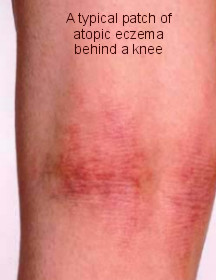
In atopic eczema, the skin is very dry and itchy. Eczema can be influenced by environmental factors, such as weather, contact irritants and temperature. The skin if often very sensitive to chemicals found in soaps, cleaners and detergents. In acute flares of eczema the skin is red, inflamed, and sometimes blistered and weeping. In adults, eczema most often affects the hands, eyelids, elbow creases and knee creases, but it can occur anywhere on the body.
Certain occupations may give rise to a worsening of eczema, due to the fact that the hands are often in contact with chemicals and other irritants. Housekeeping, hairdressing, caregiving, farming and industrial cleaning are all occupations in which high numbers of workers have eczema.
What causes eczema?
No one knows for certain what causes eczema, but there are many theories:
- atopy – atopy is the genetic tendency to hay fever, asthma and eczema. Atopy is inherited and involves an exaggerated immune response to environmental triggers.
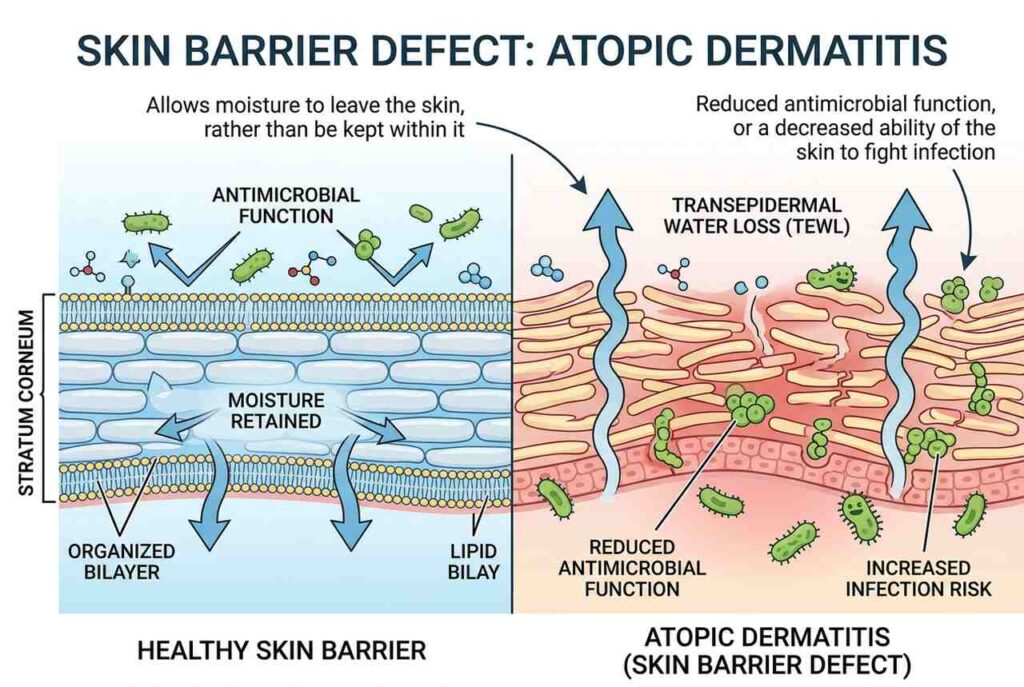
- skin barrier defect – may experts believe that people with atopic dermatitis have a defect in their skin which allows moisture to leave the skin, rather than be kept within it. There may also be reduced antimicrobial function, or a decreased ability of the skin to fight infection.
- altered immunity – the specialized immune cells of the skin have an increased response to antigens, resulting in inflammation
It’s likely that all three of these theories are correct to some degree and all work in concert in individuals with contact dermatitis.
What are the symptoms of eczema?
- red patches of skin (may also be reddish-brown or gray over time)
- itchiness (may be worse at night)
- thickened, scaly or cracked skin
- small raised bumps on the skin (may leak fluid and form a crust when scrathched)
- raw, painful skin due to scratching
Many people with atopic dermatitis also develop bacterial infection of the affected areas caused by Staphylococcus aureus, which is commonly found on the skin and can invade eczematous patches of skin through scratching. Bacterial infection may worsen symptoms.
Treatment for eczema
Treatment for eczema generally involves several components. The most important is to moisturize the skin using emollient lotions or creams.
Topical corticosteroids may be used to reduce inflammation; however, they should not be used for long periods of time as they can have adverse effects, including thinning of the skin over time. Antihistamines can be used to reduce itching. These medications cause drowsiness and are most often used at night to promote sleep when itching is severe. Medications that decrease the immune response may also be used for some people with contact dermatitis. When infection is present, a topical or oral antibiotic may be prescribed.
If you have eczema, you should avoid:
- excessive bathing, especially when bath water is very warm
- use of heavily perfumed soaps and lotions
- scratching the affected areas (some people wear cotton gloves at night to prevent scratching)
- clothes that don’t allow your skin to breathe, such as spandex and nylon-based wear
- contact with known triggers, such as harsh cleaners or detergents
What can I expect when I come in for my appointment?
When you come in to see me, I will ask about your medical history, as well as your family history. I’ll want to know if any family members have eczema, asthma or hay fever. I’ll also want to know if you have any known allergies. I will ask about your symptoms, when they started and what you have used on your skin. I’ll also ask about possible triggers and your occupation to try to identify anything that might make your eczema worse. I’ll examine the affected area(s) to determine how severe your eczema is and look for signs of infection.
Once I have finished my examination, we’ll come up with a treatment plan together. I may prescribe a corticosteroid cream or an antibiotic if necessary. We can discuss any lifestyle factors or environmental factors that may be causing or worsening your eczema.
If you have eczema it is best not to ignore it, especially if it your skin is acutely reddened and inflamed. With the right treatment, your symptoms can improve. Make an appointment to see me today.
Make an Appointment
We see patients by appointment only. We are not a walk-in clinic, hospital or urgent care facility.
Flu Shots / Pneumonia Vaccines
Hepatitis Vaccine
Skin Tag Removal
Warts
Toe Fungus Treatment
Eczema
Acne
Psoriasis
Blood Pressure / Hypertension management
Cholesterol management
Irregular Heartbeat
Congestive Heart Failure (CHF)
Atrial Fibrillation
Angina
Pap Smears
Urinary Tract Infection / Bladder Infection
Menstrual Problems
Menopause
Yeast Infections
Enlarged Prostate
Arthritis
Osteoporosis
Alzheimer’s Disease
Coughs
Pneumonia
COPD (Chronic Obstructive Pulmonary Disease)
Heartburn
Hemorrhoids (piles)
Constipation
Diarrhea
Vomiting (Nausea, Upset Stomach)
Irritable Bowel Syndrome (IBS)
Abdominal pain
Inflammatory Bowel Disease (Crohn’s disease, Ulcerative Colitis)
Dizziness
Migraine Headaches
Shingles
Trigeminal Neuralgia
Tennis Elbow
Back Pain
Rheumatoid Arthritis
Sinusitis
Ear infections
Sore Throat (Pharyngitis)
Pink Eye (Conjunctivitis)
Urinary Incontinence
Urinary Tract Infection / Bladder Infection
Work Physicals / Pre-Employment Physicals & Screenings
School Physicals for College
Asthma Control
Diabetes Management
Hypertension
Prediabetes
Tetanus Vaccination
Dog Bites
Heat Exhaustion
Burns
Remove Sutures (Stitches/Staples)
Incision and Drainage
Sprains & Strains
Sonograms
Breathing Test / Spirometry
Electrocardiograms (ECG / EKG)
Urinalysis
Blood tests (cholesterol, blood glucose, complete blood count, thyroid testing and others)
Work Injuries
Auto Accidents
Botox
Dermal Fillers
Dysport
Depression
Insurance We Accept
- 1199SEIU
- Aetna
- Blue Cross Blue Shield
- Cigna
- Emblem
- Fidelis
- GHI
- Health Republic
- HIP
- MagnaCare
- Medicaid
- Medicare
- No-Fault Insurance
- Oscar
- Oxford
- The Empire Plan
- UnitedHealthcare
- VNS Choice
*If you don’t see your insurance here please call (718) 942-4600