

Flu Shot & Pneumonia Vaccines Given Gently and Compassionately

“Preventive medicine is about preventing illness from taking root. I want to see you before you are sick, so that we can keep you from getting sick in the first place”.
-Dr. Bella Zimilevich, MD
Influenza and pneumonia are serious illnesses
Illnesses such as the flu and pneumonia result in lost productivity, hospitalization and even death in some cases. Individuals with chronic disease conditions should be vaccinated against the flu and pneumonia, but healthy people benefit from vaccinations that prevent common illnesses as well.
When healthy individuals are vaccinated they reduce the risk of transmitting these dangerous illnesses to individuals with poor immune function (i.e. cancer patients, the elderly) or individuals who cannot be vaccinated (i.e., infants under the age of 6 months). At the very least, avoiding the flu means you won’t need to take several sick days from work or miss important events because you are too sick to get out of bed!
The flu vaccine (influenza vaccine)
The best way to protect yourself and the people you care about is to get vaccinated every year. Even healthy people can become very sick when they get the flu.
Who should get the flu shot?
The flu vaccine can be given to anyone aged 6 months or older and protects against three strains of flu that experts around the world predict will be the most common circulating strains of a particular flu season.
Although the CDC recommends that everyone aged 6 months and older get vaccinated against influenza, some individuals are at higher risk of complications (such as pneumonia) from influenza, including:
- diabetics
- individuals with heart conditions (i.e., heart failure)
- individuals with chronic lung conditions (i.e., COPD, asthma)
- pregnant women
- people aged 65 years and older
When should I get a flu shot?
I recommend that you come in for a flu vaccine as soon as the vaccine becomes available to us in the clinic. Flu season can start as early as October, and the sooner you get your shot, the sooner you will be protected from becoming ill. It takes about 2 weeks after you get the vaccine for your body to produce the necessary antibodies and for you to be fully protected.
Is there anyone who should not get the flu shot?
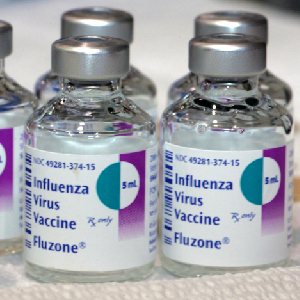
There are very few people who can’t have a flu shot. Infants under the age of 6 months can’t be vaccinated (a very good reason for you to get the vaccine if you have an infant or are in contact with very young children). People who are severely allergic to eggs can’t get a flu shot because the vaccine is manufactured using eggs. Any individual who has had a severe reaction to the flu vaccine in the past may not be able to have another (although this is rare). Lastly, if you are sick with a fever or infection, you should wait to get your flu shot until you are feeling well.
Is the flu shot safe?
The flu vaccine is very safe- I would not recommend it to my patients if it weren’t! Common side effects include mild soreness or swelling at the injection site, muscle aches and possibly a low-grade fever for a couple of days. The benefits of the vaccine far outweigh any of these mild side effects. If you have questions about the flu shot, its safety or whether you should get the flu shot, I am happy to discuss this with you. Together we can decide whether you should get the flu vaccine.
The pneumonia vaccine
The pneumonia (pneumococcal) vaccine prevents pneumonia and other serious illnesses caused by Streptococcus pneumonia bacteria. For some individuals, pneumococcal infection can be fatal.
Who should get a pneumonia vaccine?
All adults aged 65 and older should get the pneumonia vaccine. In addition, adults younger than 65 years should be vaccinated if they:
- have heart, lung, liver or kidney disease
- have diabetes
- have certain types of cancer
- are smokers
- are taking drugs that lower immunity (i.e., steroids, cancer drugs)
- live in a nursing home or a long-term care facility

Although the pneumonia vaccine does not prevent pneumonia in all cases, it does reduce the risk of hospitalization, severe disease and death.
How do I know if I should get the pneumonia vaccine?
If you are wondering whether you should get the pneumonia vaccine, you should come in and discuss it with me. Together we can decide whether you should be vaccinated based on your age and health status.
Vaccinations can prevent serious illness, particularly in people who have certain chronic health conditions. Healthy people should also be vaccinated, both to protect themselves from illness and to prevent the spread of these serious illnesses to others who may be at high risk of becoming seriously ill or dying. If you have questions or concerns, or if you would like to come in for your vaccine, book an appointment today.
Make an Appointment
We see patients by appointment only. We are not a walk-in clinic, hospital or urgent care facility.
Flu Shots / Pneumonia Vaccines
Hepatitis Vaccine
Skin Tag Removal
Warts
Toe Fungus Treatment
Eczema
Acne
Psoriasis
Blood Pressure / Hypertension management
Cholesterol management
Irregular Heartbeat
Congestive Heart Failure (CHF)
Atrial Fibrillation
Angina
Pap Smears
Urinary Tract Infection / Bladder Infection
Menstrual Problems
Menopause
Yeast Infections
Enlarged Prostate
Arthritis
Osteoporosis
Alzheimer’s Disease
Coughs
Pneumonia
COPD (Chronic Obstructive Pulmonary Disease)
Heartburn
Hemorrhoids (piles)
Constipation
Diarrhea
Vomiting (Nausea, Upset Stomach)
Irritable Bowel Syndrome (IBS)
Abdominal pain
Inflammatory Bowel Disease (Crohn’s disease, Ulcerative Colitis)
Dizziness
Migraine Headaches
Shingles
Trigeminal Neuralgia
Tennis Elbow
Back Pain
Rheumatoid Arthritis
Sinusitis
Ear infections
Sore Throat (Pharyngitis)
Pink Eye (Conjunctivitis)
Urinary Incontinence
Urinary Tract Infection / Bladder Infection
Work Physicals / Pre-Employment Physicals & Screenings
School Physicals for College
Asthma Control
Diabetes Management
Hypertension
Prediabetes
Tetanus Vaccination
Dog Bites
Heat Exhaustion
Burns
Remove Sutures (Stitches/Staples)
Incision and Drainage
Sprains & Strains
Sonograms
Breathing Test / Spirometry
Electrocardiograms (ECG / EKG)
Urinalysis
Blood tests (cholesterol, blood glucose, complete blood count, thyroid testing and others)
Work Injuries
Auto Accidents
Botox
Dermal Fillers
Dysport
Depression
Insurance We Accept
- 1199SEIU
- Aetna
- Blue Cross Blue Shield
- Cigna
- Emblem
- Fidelis
- GHI
- Health Republic
- HIP
- MagnaCare
- Medicaid
- Medicare
- No-Fault Insurance
- Oscar
- Oxford
- The Empire Plan
- UnitedHealthcare
- VNS Choice
*If you don’t see your insurance here please call (718) 942-4600