

Sciatica Treatment

“Sciatica occurs when the sciatic nerve, which runs from your lower back down each leg, becomes irritated or compressed. This can cause sharp, radiating pain, numbness, or tingling, affecting your ability to sit, stand, or walk comfortably. With proper diagnosis and targeted treatment, most cases can be managed without surgery. If you are experiencing sciatica, I can help guide you toward relief and recovery.”
-Dr. Anatoly Pisman, MD
What is Sciatica?
Sciatica is a condition caused by irritation or compression of the sciatic nerve, most often due to a herniated disc, spinal stenosis, or degenerative disc disease. Symptoms typically affect one side of the body and can extend from the lower back through the buttock and down the leg.
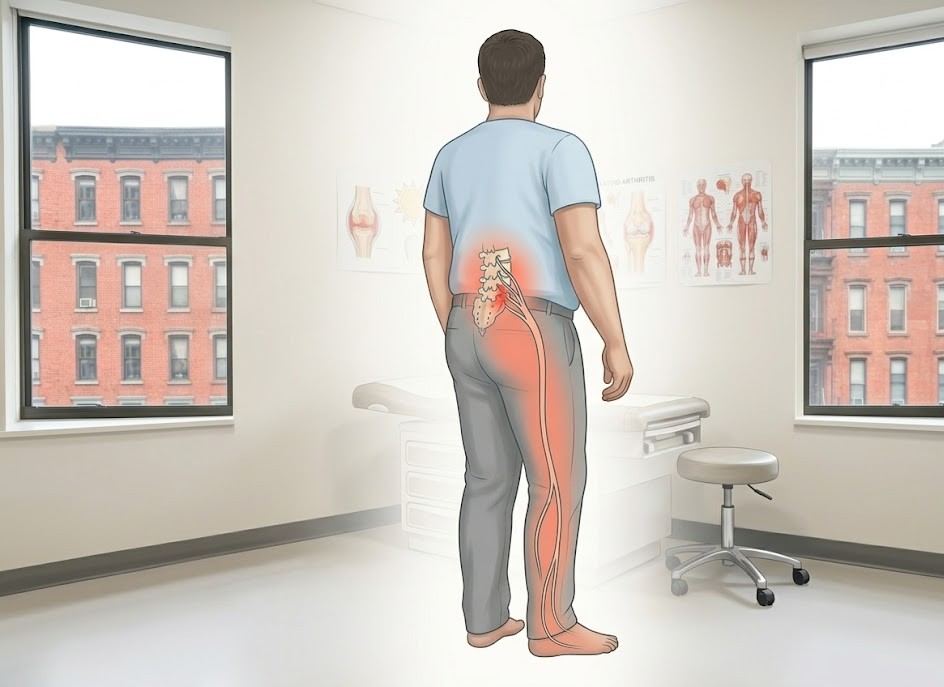
Common Causes of Sciatica
Sciatica may develop suddenly or gradually, often triggered by underlying spinal conditions or certain movements. Common causes include:
Key contributors:
- Lumbar herniated disc pressing on the sciatic nerve
- Spinal stenosis (narrowing of the spinal canal)
- Degenerative changes in the spine
- Prolonged sitting, poor posture, or repetitive strain
These factors can increase pressure on the sciatic nerve, resulting in pain, numbness, or weakness in the leg.
Symptoms of Sciatica
Signs to watch for:
- Sharp, shooting pain radiating from the lower back or buttock down one leg
- Numbness, tingling, or weakness in the leg or foot
- Pain that worsens with sitting, coughing, or sneezing
Symptoms can vary in intensity, but early evaluation and targeted treatment often relieve discomfort and restore mobility.
When Should You See a Doctor for Sciatica?
Seek medical evaluation if your symptoms persist, worsen, or interfere with daily activities.
Prompt attention is recommended if you notice:
- Severe or increasing leg pain
- Numbness or tingling in the leg or foot
- Weakness affecting your ability to walk or control your bladder/bowels (rare, but urgent)
Early diagnosis helps prevent nerve damage and long-term complications.
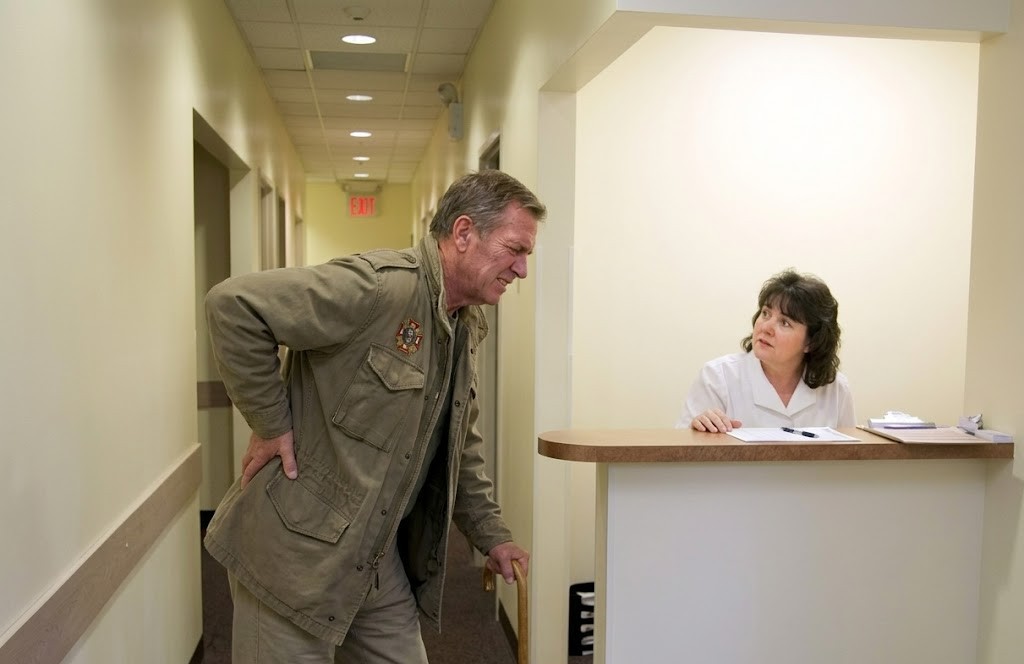
Sciatica Diagnosis & Testing
Evaluation begins with a review of your symptoms and a physical exam to assess nerve function, strength, reflexes, and mobility.
If necessary, imaging such as MRI or CT scans can identify the source of nerve compression. EMG / NCV testing may be used in cases with persistent nerve symptoms to assess nerve health and function.
Non-Surgical Treatment Options for Sciatica
Most cases of sciatica improve without surgery. Treatment options include:
- Physical therapy to improve flexibility, strengthen supporting muscles, and reduce nerve pressure
- Epidural steroid injections or nerve blocks to relieve inflammation and pain
- Activity modification and medications tailored to your symptoms
A personalized plan helps reduce pain, restore mobility, and prevent recurrence.
What Can I Expect at My Visit?
During your visit, we will review your pain history, identify any nerve involvement, and perform a physical examination. Based on your evaluation, a customized treatment plan will be created to relieve discomfort and improve daily function.
Taking action early is the first step toward sciatica relief and long-term recovery.
We see patients by appointment only. We are not a walk-in clinic, hospital or urgent care facility.
Tennis Elbow
Back Pain
Rheumatoid Arthritis
Lumbar Muscle Strain
Herniated Disc (Lumbar)
Sciatica
Degenerative Disc Disease
Spinal Stenosis (Lumbar)
Spondylolisthesis
Posture & Tech Neck
Thoracic Herniated Disc
Scoliosis & Kyphosis
Ankylosing Spondylitis
Fibromyalgia
Osteoporosis & Fractures
Radiculopathy
Peripheral Neuropathy
Carpal Tunnel Syndrome
Epidural Steroid Injections
Facet Joint Injections
PRP Therapy
Trigger Point Injections
EMG / NCV Testing
Botox Injections for Spasticity
Intrathecal Baclofen Pump Management
Post-Concussion Management
Custom Bracing (Orthotics)
Prosthetic Training & Rehab
Gait Analysis & Correction
Viscosupplementation (Gel Injections)
Percutaneous Tenotomy
Bursa Injections
Insurance We Accept
- 1199SEIU
- Aetna
- Blue Cross Blue Shield
- Cigna
- Emblem
- Fidelis
- GHI
- Health Republic
- HIP
- MagnaCare
- Medicaid
- Medicare
- No-Fault Insurance
- Oscar
- Oxford
- The Empire Plan
- UnitedHealthcare
- VNS Choice
*If you don’t see your insurance here please call (718) 942-4600